
Padel and tennis courts
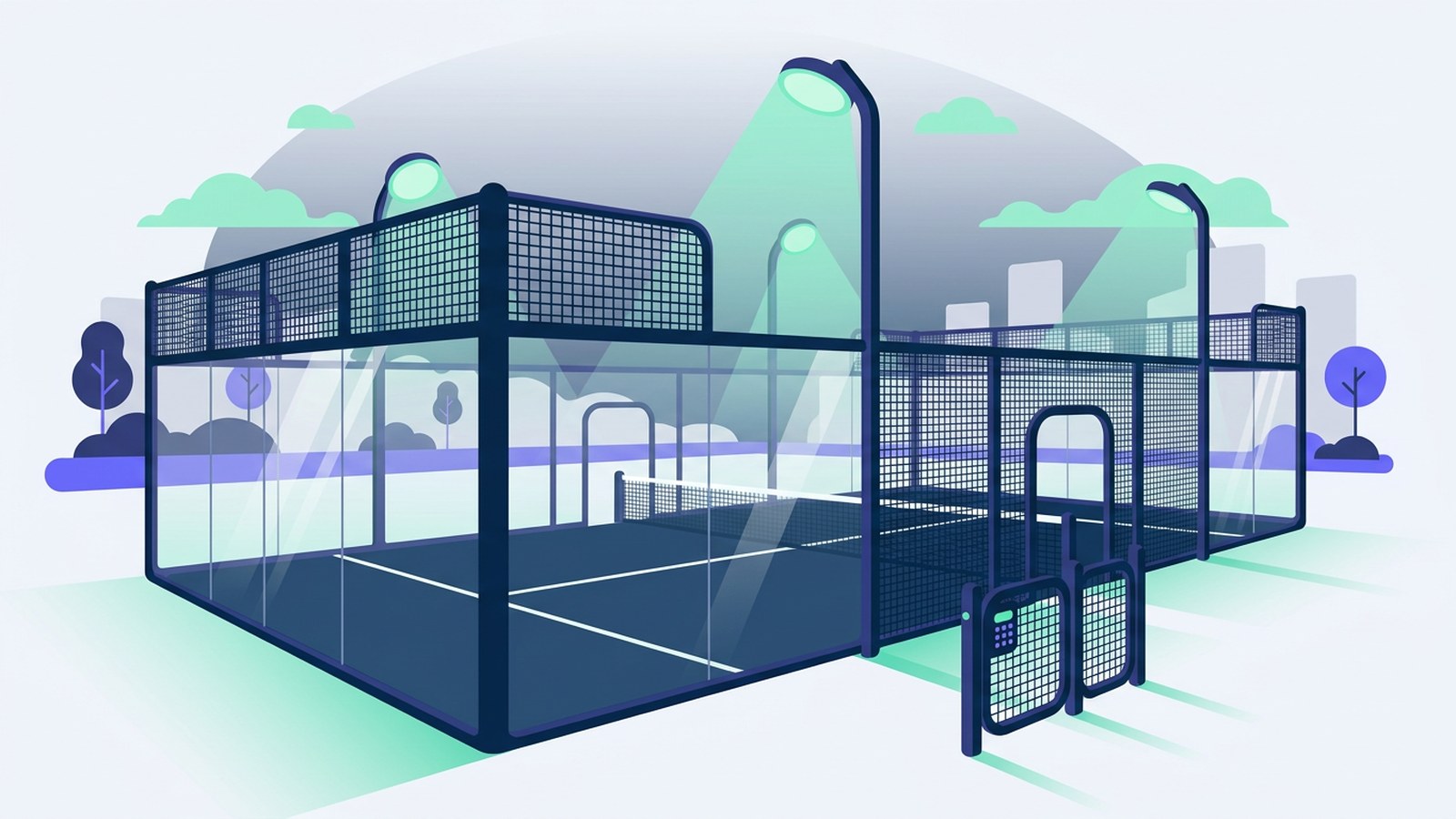
The court is booked from a phone, the gate opens during the paid hour and the floodlights come on by themselves. At the end everything goes off, even if the last player left in a hurry.
The same old problem
A court is the easiest thing to sell and the most awkward to run. People play in the evening and at weekends, which is exactly when keeping somebody on site costs most. Bookings arrive by message and end up on a sheet of paper. And the lights stay on because nobody came round to switch them off: that is the money that leaves most quietly.
How it works
-
The player picks an hour
The calendar shows the free slots for that day. For sales made on Roraima, two people cannot take the same hour, not even by clicking at the same moment.
-
They pay and get their access
A link to their own page arrives, with the gate code and the court controls. Nothing to install.
-
They come in at the right time
The code works shortly before the start and stops working at the end. Nobody has to open up.
-
At the end everything closes
The closing routine runs at the end of the slot: floodlights off, gate shut. What goes into it is up to you.
The lights, which is the whole point
Floodlighting is the cost that decides whether evenings make money. Tying it to the time slot means it only comes on when somebody has paid and goes off when the hour ends, without depending on the memory of whoever leaves last.
Evening hours can have a higher price that includes the lights, and whoever books sees it before paying.
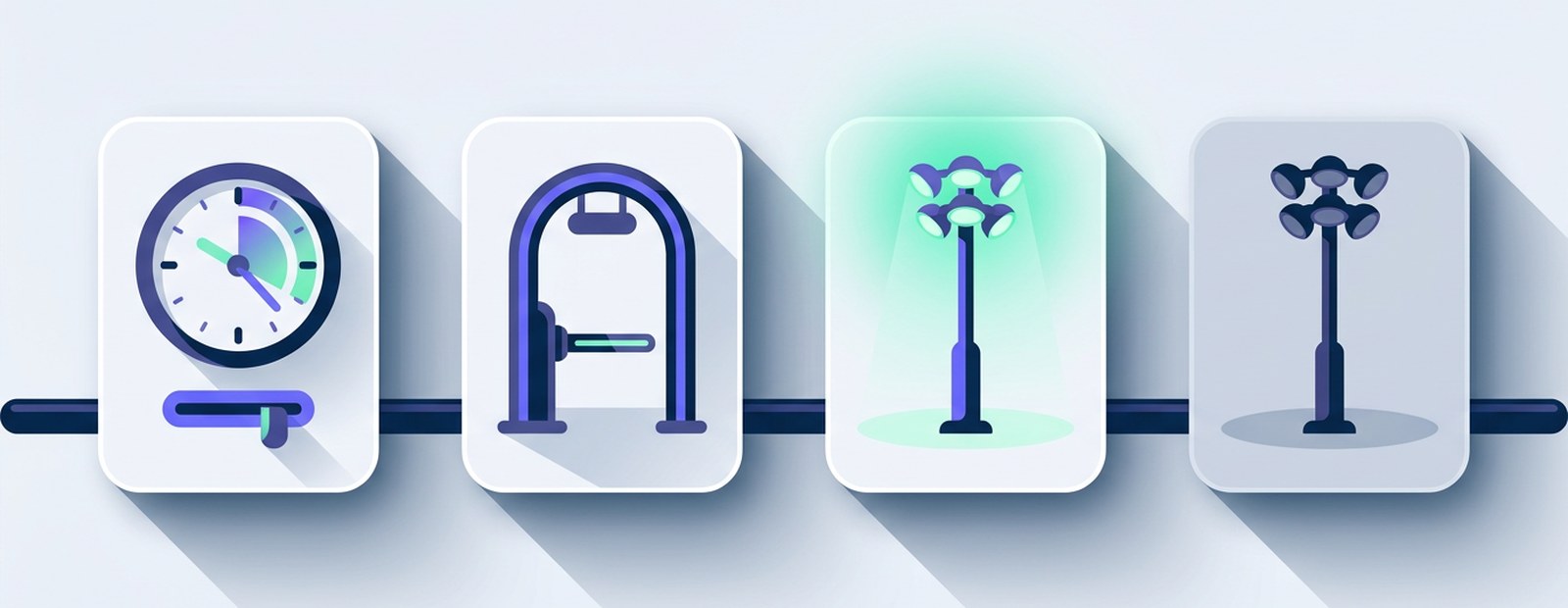
The same goes for heating in covered courts and for changing rooms: they open and warm up for the booked hours, not for the whole day.
The bookings are yours
The court sells from your shop, under your name. Regulars come back there, and Roraima takes no percentage on bookings. If the customer pays by card, the Stripe fee still applies.
If the court is also listed elsewhere, the two calendars stay in step: Roraima uses iCal, the standard format calendars use to pass booked dates to each other. An hour sold here closes over there at the next calendar update, and the other way round, with nothing for you to copy across. A few minutes can pass between one update and the next.
What you need
A relay on the gate control and one on the lighting board. Two short jobs for an electrician, and in most clubs they are done without touching the existing wiring. The installation catalogue has the kits and, where there is one, an installer in your area.
Worth reading too
- Bookings and calendar: how time slots work.
- Automations: switching things on and off around a booking.
Start with one court
One court for one season is enough to see how much time and how much electricity come back.
See the plans Talk to us